
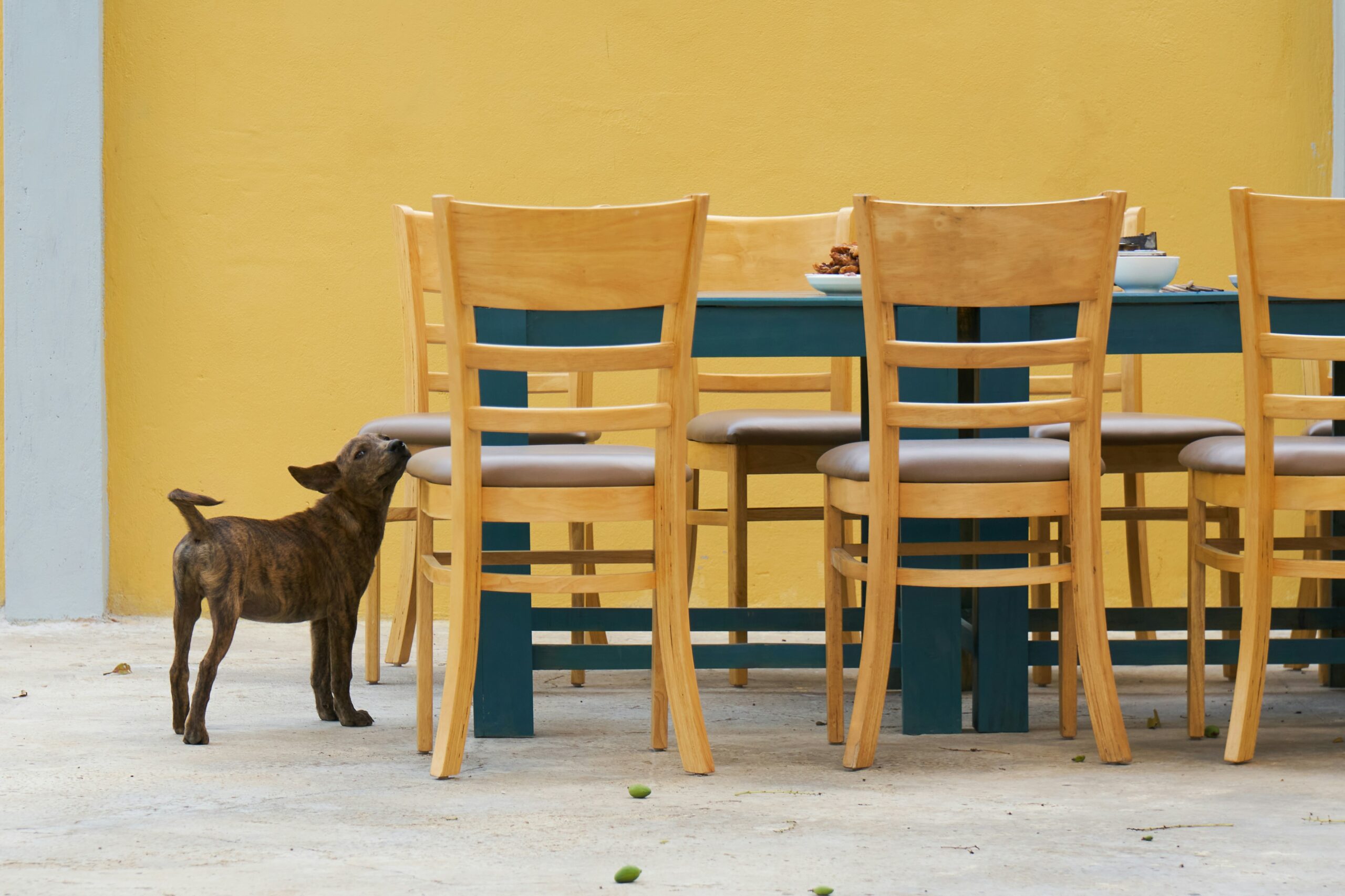
Dogs love to chew. They use their mouths to explore the world – similar to babies in the oral stage, they put objects in their mouths to feel them, thereby fulfilling a natural need for curiosity and learning. The problem is that the items in our homes are precious to our hearts and wallets, and the resulting damage creates frustration and anger.
This need is especially common in puppies but usually decreases with the transition to adulthood – although it sometimes continues in adult dogs as well.
The Two Main Reasons for Destruction at Home
Solution for the First Reason – Boredom and Lack of Stimulation
Dogs get bored easily – through no fault of their own. Boredom leads them to develop behaviors their owners dislike. Just as children explore their environment with their hands, dogs do it with their mouths. Chewing, such as a table leg, is a rewarding activity for them and will therefore repeat itself.
To prevent this, you must provide the dog with appropriate engagement:
In nature, the wolf undergoes a prolonged process of locating, tracking, and chasing before a meal – sometimes lasting one to two days and covering tens of kilometers, and in documented cases even over a hundred kilometers. During the search, it uses all its senses – smell, hearing, and sight – to locate signs of potential prey. Only when prey with a real chance of a meal is found does the stage of outflanking and cooperation with the rest of the pack begin. They work together to exhaust, flank, and isolate the prey, and this process can last hours, especially when dealing with a large animal like a bison that does not surrender easily. Only at the end, if the hunt is successful, does the “reward” of food arrive. Because the domestic dog is similar to the wolf, it also needs physical and mental stimulation that mimics the hunting experience to maintain mental and physical balance.
FeedMe provides the dog with a feeding experience that simulates the hunting process – it activates its senses, encourages it to solve problems, and provides continuous physical and mental stimulation. In doing so, it helps fulfill the natural need for engagement and exploration and reduces the chance that the dog will look for “other work” – such as chewing furniture and objects in the house.
Another thing that is essential for a dog’s health is the release of energy, especially with other dogs, which also contributes to healthy social interaction.
Solution for the Second Reason – Fear and Anxiety
If there is a suspicion that the chewing and destruction are not due to boredom, it is important to verify this using video recording – [Link to an article “How to Know If My Dog Has Separation Anxiety”]
Filming provides an objective and reliable diagnosis independent of the owner’s presence.
Separation anxiety is the dog’s inability to cope with the feeling of being alone, and in most cases, this can be identified on video.